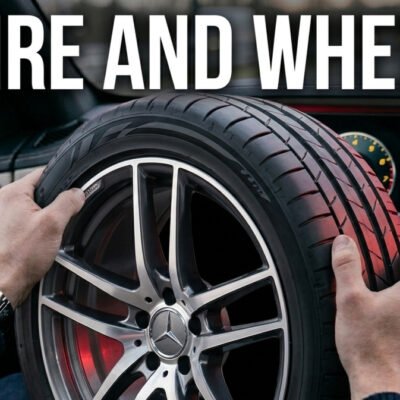
When it comes to modifying your vehicle or upgrading your wheels, one key term that often comes up is auto wheel offset. While this might sound like a technical detail, it plays a crucial role in both the performance and aesthetics of your vehicle. Whether you’re looking to improve handling, achieve a specific look, or ensure your wheels fit properly, understanding wheel offset is essential. In this article, we’ll break down what auto wheel offset is, how it affects your vehicle, and why it’s important to consider when purchasing new wheels.
What is Auto Wheel Offset?
Auto wheel offset refers to the distance between the centerline of the wheel and the mounting surface (the surface that connects the wheel to the vehicle). Essentially, it determines how far in or out the wheel sits in relation to the vehicle’s fenders and suspension components. This measurement is critical in understanding how the wheel will fit on your vehicle and how it will impact both the vehicle’s performance and appearance.
There are three primary types of wheel offsets:
- Positive Offset
A positive offset occurs when the mounting surface of the wheel is closer to the front of the wheel. This means the wheel is pushed inward toward the suspension and fender of the vehicle. Most modern vehicles, especially front-wheel drive cars, use positive offset wheels. A positive offset ensures that the wheels are correctly aligned with the vehicle’s suspension, preventing rubbing against the wheel wells. - Zero Offset
In a zero offset wheel, the mounting surface is exactly in line with the center of the wheel. This is a more neutral position and is commonly seen in vehicles that require balanced handling and performance. Zero offset is less common in modern vehicles but can be used for specific designs or in aftermarket modifications. - Negative Offset
A negative offset means the mounting surface is pushed toward the back of the wheel, causing the wheel to stick out further from the vehicle. This is often seen in off-road and performance vehicles, where wider wheels and tires are necessary for better traction or a more aggressive stance. However, a negative offset can sometimes cause issues with rubbing, suspension, and clearance.
Why Does Auto Wheel Offset Matter?
- Fitment and Clearance
The primary reason auto wheel offset is important is that it determines how well the wheel fits on the vehicle. Wheels that are too far in or out can cause clearance issues, especially with the vehicle’s suspension components, brake calipers, and fenders. A wheel that sticks out too far may rub against the fender wells, while a wheel that is tucked too far in can cause the tires to make contact with suspension components. - Handling and Performance
The wheel offset directly impacts the handling and stability of the vehicle. A positive offset ensures that the wheels are aligned in a way that provides optimal handling and ride comfort. On the other hand, a negative offset may be used to widen the vehicle’s track width, which can improve cornering ability and stability, particularly in sports and off-road vehicles. However, the trade-off for better performance is often the potential for increased wear and tear on suspension components. - Aesthetic Appeal
Auto wheel offset plays a significant role in the aesthetic appearance of your vehicle. Many car enthusiasts choose a negative offset to achieve a wider stance, which is often considered more aggressive and visually appealing. The proper wheel offset can give your vehicle a more customized and dynamic look by aligning the wheels with the body of the car. Whether you’re aiming for a sleek, modern appearance or a more rugged, off-road look, wheel offset can help you achieve your desired aesthetic. - Impact on Tire Wear
The wrong auto wheel offset can cause uneven tire wear. If the wheel is mounted too far in or out, it can lead to improper alignment, which results in tires wearing unevenly. This can increase maintenance costs over time, as premature tire replacement is often necessary. Ensuring the correct offset helps in maintaining proper alignment and extends the life of your tires. - Improved Handling in Specific Conditions
As mentioned earlier, negative offset wheels can improve the handling of vehicles, especially in off-road situations. A wider stance provides greater stability on rough terrain, while positive offset helps with steering precision and ride comfort. Therefore, understanding how the offset impacts your vehicle’s performance is vital in ensuring the best driving experience, whether on the road or off.
How to Measure Auto Wheel Offset
To measure the auto wheel offset, you’ll need a few key tools, such as a ruler or caliper. Here’s how you can calculate the offset:
- Place the wheel face down and measure the distance from the back of the wheel (the mounting surface) to the centerline of the wheel.
- Measure the distance from the centerline to the outer edge of the wheel.
- Subtract the two measurements to determine the offset. If the distance is positive, it’s a positive offset; if the distance is negative, it’s a negative offset.
However, it’s often easier to check the wheel’s specifications from the manufacturer, as most wheels have the offset printed or stamped on the back of the wheel.
Choosing the Right Auto Wheel Offset
When selecting the right wheel offset for your vehicle, it’s crucial to consider your driving needs, the appearance you want, and the vehicle’s specifications. Here are some tips for choosing the right offset:
- Consult Your Vehicle’s Manual: Many vehicles are designed to work with specific offsets, so it’s essential to check your vehicle’s manual or consult with a professional to ensure you’re selecting the correct offset for your make and model.
- Think About Purpose: If you’re looking for improved handling or performance, a negative offset might be ideal for widening the stance. However, for everyday driving and comfort, a positive offset is generally recommended.
- Consider Aesthetics: If you’re interested in a custom look, a wider stance with negative offset can give your vehicle a more aggressive appearance, but be sure to balance it with the vehicle’s performance needs and suspension geometry.
Common Mistakes to Avoid with Auto Wheel Offset
- Choosing the Wrong Offset for Your Vehicle
One of the most common mistakes people make is choosing the wrong wheel offset for their vehicle. Installing a wheel with an improper offset can lead to issues like rubbing, poor handling, and accelerated wear of suspension parts. Always ensure that the offset is appropriate for your specific vehicle. - Neglecting to Check for Clearance Issues
When changing the wheel offset, make sure that there’s enough clearance for the new wheels to rotate freely. It’s important to check for any contact with the suspension, brake calipers, or fender wells before finalizing the installation. - Ignoring Tire Fitment
A new wheel offset may also require a different tire size or aspect ratio. It’s crucial to match the tires with the new wheels, as mismatched sizes can cause handling issues and safety concerns.
Conclusion
In conclusion, auto wheel offset is an essential factor to consider when upgrading or replacing your wheels. Whether you’re looking for better performance, improved aesthetics, or proper fitment, understanding the different types of wheel offsets and their effects on your vehicle is vital. Always ensure that you choose the right wheel offset for your car to avoid any potential issues with handling, clearance, and tire wear. By taking the time to make an informed decision, you can enhance both the performance and appearance of your vehicle, making sure it looks great and drives smoothly.