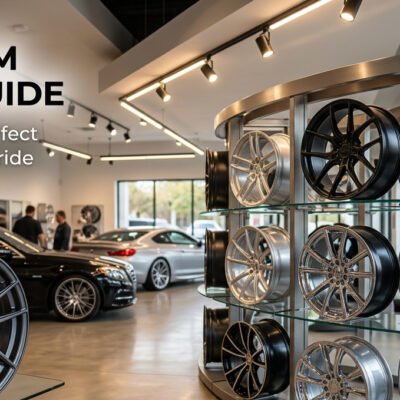
The tire and wheel system is one of the most critical components of any vehicle. Together, they ensure proper traction, stability, and safety on the road. Despite their importance, many drivers underestimate the role of tires and wheels in vehicle performance, fuel efficiency, and overall safety.
Understanding tire and wheel systems helps drivers make informed decisions when buying, maintaining, or upgrading their vehicle components. This guide covers everything from tire types to wheel sizes, maintenance tips, and how the right tire and wheel combination can improve your driving experience.
What Are Tire and Wheel?
A tire is the rubber component that wraps around the wheel, providing traction, shock absorption, and grip on various road surfaces.
A wheel, also called a rim, is the metal structure that holds the tire in place and connects it to the vehicle’s axle. The combination of tire and wheel ensures that your car moves smoothly, handles well, and maintains safety on the road.
Functions of Tire and Wheel
- Traction and Grip – Tires provide the necessary friction between the vehicle and the road.
- Stability – Wheels keep the tires mounted securely, allowing safe turns and maneuvering.
- Shock Absorption – Tires cushion the vehicle from bumps and rough surfaces.
- Performance Enhancement – The right tire and wheel combination can improve handling, acceleration, and braking.
- Aesthetic Appeal – Wheels enhance the visual appeal of a car, while tires contribute to its overall stance.
Types of Tires
Selecting the right tire is essential for safety, performance, and comfort. Tires can be broadly categorized based on driving conditions and vehicle types.
1. All-Season Tires
All-season tires are designed for versatility. They provide balanced performance in dry, wet, and light snowy conditions.
Benefits:
- Suitable for year-round use
- Comfortable and quiet ride
- Good traction in moderate weather
Ideal for: Sedans, crossovers, and small SUVs.
2. Summer Tires
Summer tires are optimized for warm weather conditions, providing better handling and grip on dry and wet roads.
Benefits:
- Excellent cornering and braking
- High-speed stability
- Lightweight design
Limitations: Not suitable for snow or icy roads.
3. Winter Tires
Winter tires are designed for cold climates, offering improved traction on snow, ice, and slush.
Benefits:
- Deep tread patterns for snow
- Softer rubber compounds for grip in low temperatures
- Reduced stopping distances on icy surfaces
Ideal for: Regions with harsh winters.
4. Performance Tires
Performance tires, also known as high-performance tires, are designed for sports cars and vehicles requiring superior handling.
Features:
- Enhanced grip at high speeds
- Responsive steering
- Low-profile design
Note: Performance tires often wear faster than regular tires.
5. Off-Road Tires
Off-road tires are made for SUVs, trucks, and vehicles that travel on unpaved or rough terrain.
Characteristics:
- Deep treads for mud, rocks, and sand
- Reinforced sidewalls for durability
- Rugged design for extreme conditions
Types of Wheels
The wheel is more than just a support for the tire; it also affects handling, performance, and aesthetics.
1. Alloy Wheels
Alloy wheels are made from aluminum or magnesium alloys.
Benefits:
- Lightweight for better performance
- Enhanced heat dissipation
- Stylish designs
Ideal for: Sedans, sports cars, and SUVs.
2. Steel Wheels
Steel wheels are heavier and more durable.
Benefits:
- Strong and cost-effective
- Resistant to minor impacts
- Ideal for harsh driving conditions
Commonly used on: Trucks and economy cars.
3. Forged Wheels
Forged wheels are made using high-pressure forging techniques.
Advantages:
- Extremely strong and lightweight
- Perfect for high-performance cars
- Customizable designs
Note: Forged wheels are more expensive than alloy wheels.
4. Multi-Piece Wheels
These wheels are made from multiple components, usually the rim and center hub.
Benefits:
- Customizable widths and offsets
- Lightweight designs
- Strong and durable
Used in: High-end sports cars and luxury vehicles.
Tire and Wheel Sizes
Choosing the correct tire and wheel size is crucial for vehicle performance and safety.
Tire Size
Tire size is usually expressed in a series like 205/55 R16, where:
- 205 – Width in millimeters
- 55 – Aspect ratio (height to width)
- R16 – Wheel diameter in inches
Wheel Size
Wheel size affects handling, ride comfort, and aesthetics. Larger wheels provide a sportier look and better cornering but may reduce ride comfort.
Tips for Matching Tire and Wheel
- Always check the manufacturer’s recommended sizes.
- Avoid mixing tire types across axles.
- Maintain the correct load and speed ratings.
Tire and Wheel Maintenance Tips
Proper maintenance ensures safety, extends tire life, and improves performance.
1. Regular Tire Pressure Checks
Incorrect tire pressure can cause uneven wear, poor handling, and reduced fuel efficiency.
Tip: Check pressure monthly and before long trips.
2. Wheel Alignment
Misaligned wheels cause uneven tire wear and affect handling.
Tip: Get alignment checked every 6–12 months or after hitting potholes.
3. Tire Rotation
Rotating tires ensures even wear across all wheels.
Tip: Rotate tires every 5,000–8,000 miles.
4. Tire Balancing
Balancing prevents vibration, improves comfort, and extends tire life.
Tip: Balance tires when installing new ones or if vibration is noticed.
5. Inspect for Damage
Regularly check tires for cracks, bulges, or embedded objects. Inspect wheels for bends or cracks, especially after rough roads.
Upgrading Tires and Wheels
Upgrading your tire and wheel system can improve performance and aesthetics.
Benefits of Upgrading
- Better traction and handling
- Enhanced braking performance
- Custom style and appearance
- Improved fuel efficiency (with lightweight wheels)
Popular Upgrades
- Wider tires for better grip
- Low-profile tires for sporty look
- Alloy or forged wheels for performance and style
- Winter or all-terrain tires for seasonal driving
Common Tire and Wheel Problems
Understanding common issues helps prevent accidents and costly repairs.
1. Uneven Tire Wear
Caused by poor alignment, improper inflation, or worn suspension parts.
2. Tire Blowouts
Sudden tire failure due to underinflation, overloading, or worn tread.
3. Bent Wheels
Hitting potholes or curbs can bend wheels, affecting steering and safety.
4. Tire Vibration
Can be caused by unbalanced tires, misalignment, or suspension issues.
Tire and Wheel Safety Tips
- Replace tires when tread depth reaches 2/32 inch.
- Use tires suitable for weather and terrain conditions.
- Never exceed the vehicle’s load and speed ratings.
- Inspect wheels and tires after long trips or off-road driving.
Future Trends in Tire and Wheel Technology
The tire and wheel industry is evolving with new technologies:
- Run-flat Tires – Allow driving short distances after a puncture.
- Smart Tires – Sensors monitor pressure, temperature, and tread wear.
- Lightweight Wheels – Forged and carbon fiber wheels reduce weight for better efficiency.
- Eco-Friendly Tires – Made from sustainable materials and designed for fuel efficiency.
- Adaptive Tires – Adjustable tread and stiffness for varying road conditions.
Conclusion
The tire and wheel system is one of the most critical components of your vehicle. Choosing the right tires and wheels, performing regular maintenance, and understanding their features can significantly improve safety, handling, and overall driving experience.
From all-season tires for daily driving to high-performance wheels for sports cars, investing in the right tire and wheel combination ensures your vehicle performs at its best while looking great.
For anyone looking to improve vehicle safety, performance, or style, understanding the tire and wheel system is essential. Proper care, periodic upgrades, and choosing the right sizes and types will keep your car on the road safely and efficiently for years to come.