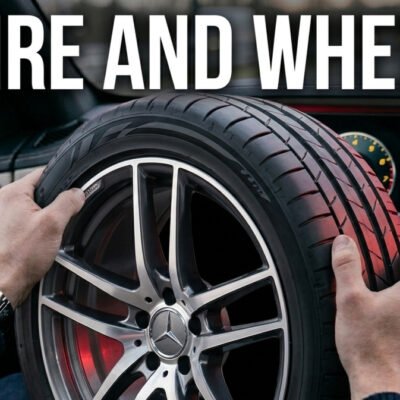
Understanding car wheel parts names is essential for anyone who owns, drives, or works on vehicles. Wheels are more than just round metal discs with tires—they are a combination of different components working together to ensure safe, smooth, and efficient driving. Whether you’re a car enthusiast, a mechanic, or simply curious about how your vehicle works, learning these parts and their functions can help you make better maintenance decisions and communicate effectively with professionals.
Why Knowing Car Wheel Parts Names Matters
Many drivers only think about wheels when it’s time to change a tire. However, wheels play a critical role in handling, braking, and overall safety. Understanding the names and functions of each wheel part helps you:
- Diagnose issues faster
- Communicate with mechanics accurately
- Make informed upgrade choices
- Ensure better vehicle performance and safety
Main Car Wheel Parts Names and Their Functions
Below is a breakdown of the most important car wheel parts names and what they do.
1. Rim
The rim is the outer circular edge of the wheel where the tire is mounted. It provides structure, supports the tire, and keeps it in place. Rims can be made from steel, aluminum alloy, or carbon fiber.
Function: Holds the tire securely and maintains the air seal in tubeless tires.
2. Hub
The hub is the central part of the wheel that connects to the vehicle’s axle. It houses important parts like the bearings and mounting studs.
Function: Serves as the mounting point for the wheel and allows smooth rotation.
3. Spokes
Spokes are the support structures connecting the hub to the rim. While mostly aesthetic in modern cars, they also play a role in distributing weight and absorbing impacts.
Function: Adds strength and stability to the wheel.
4. Wheel Bearings
These are small sets of steel balls or rollers inside a metal ring, located within the hub.
Function: Reduce friction and allow the wheel to spin freely.
5. Lug Nuts (or Wheel Nuts)
Lug nuts secure the wheel to the hub using the wheel studs. They can come in different shapes, such as conical, spherical, or flat-seat designs.
Function: Keeps the wheel firmly attached to the vehicle.
6. Wheel Studs
Metal bolts that protrude from the hub, onto which the lug nuts are fastened.
Function: Provide the connection between the hub and the wheel.
7. Valve Stem
A small tube protruding from the rim that allows air to be added or removed from the tire.
Function: Controls air pressure and allows inflation/deflation of the tire.
8. Center Cap
A decorative cover placed over the hub to hide lug nuts and add style. In some cases, it also protects parts from dirt and moisture.
Function: Aesthetic enhancement and minor protection.
9. Bead
This is the inner edge of the tire that sits tightly against the rim. While technically part of the tire, it works closely with the wheel.
Function: Ensures a secure fit between the tire and rim to prevent air leaks.
10. Brake Rotor (Disc)
Although technically part of the braking system, the brake rotor is mounted directly to the wheel hub.
Function: Works with brake pads to slow or stop the wheel’s rotation.
Alloy vs. Steel Wheel Parts
When learning car wheel parts names, it’s worth noting that the material affects performance:
- Alloy wheels are lighter, improve handling, and allow for better heat dissipation.
- Steel wheels are more affordable, stronger in harsh conditions, but heavier.
Common Problems with Wheel Components
Knowing the car wheel parts names also helps when troubleshooting. Common issues include:
- Bent rims – caused by potholes or impacts.
- Worn bearings – leading to humming noises or vibration.
- Loose lug nuts – which can cause dangerous wobbling.
- Damaged valve stems – leading to air leaks.
Maintenance Tips for Wheel Components
To keep your wheels in good shape:
- Check tire pressure regularly via the valve stem.
- Inspect lug nuts to ensure they are tight but not over-torqued.
- Clean rims to prevent corrosion.
- Rotate tires every 5,000–7,500 miles for even wear.
- Replace damaged bearings promptly to avoid accidents.
Final Thoughts
Learning car wheel parts names is more than just technical knowledge—it’s a step toward becoming a more responsible and informed driver. From rims and hubs to lug nuts and bearings, each part plays a role in keeping your vehicle safe and efficient.
By understanding these components, you’ll be able to diagnose issues earlier, communicate clearly with mechanics, and make better choices when upgrading or repairing your wheels. A well-maintained wheel system doesn’t just improve performance—it also ensures your safety on the road.